
Scope of practice in fitness: what UK professionals must understand
Scope of practice is one of the most misunderstood concepts in the UK fitness industry. Many professionals encounter the term during training but never fully understand its importance until problems arise.
This guide explains scope of practice clearly, practically, and without fear-mongering. It exists to protect clients, professionals, and the industry as a whole.
What does “scope of practice” actually mean?
Scope of practice defines the activities, decisions, and responsibilities a fitness professional is trained and permitted to undertake safely and ethically.
It is determined by:
- Qualification level and content
- Professional standards
- Risk management expectations
- Legal and ethical boundaries
Scope is not about confidence.
It is about competence and responsibility.
Why scope exists in fitness
Fitness professionals work with human health. Even when clients are “apparently healthy”, there is risk.
Scope exists to:
- Protect client safety
- Prevent harm through misapplication of exercise
- Clarify referral responsibility
- Protect professionals from legal exposure
Without scope, fitness becomes guesswork — and guesswork causes harm.
Scope by qualification level (simplified)
Entry-level instruction
- General population
- Basic movement and exercise
- Facility-based support
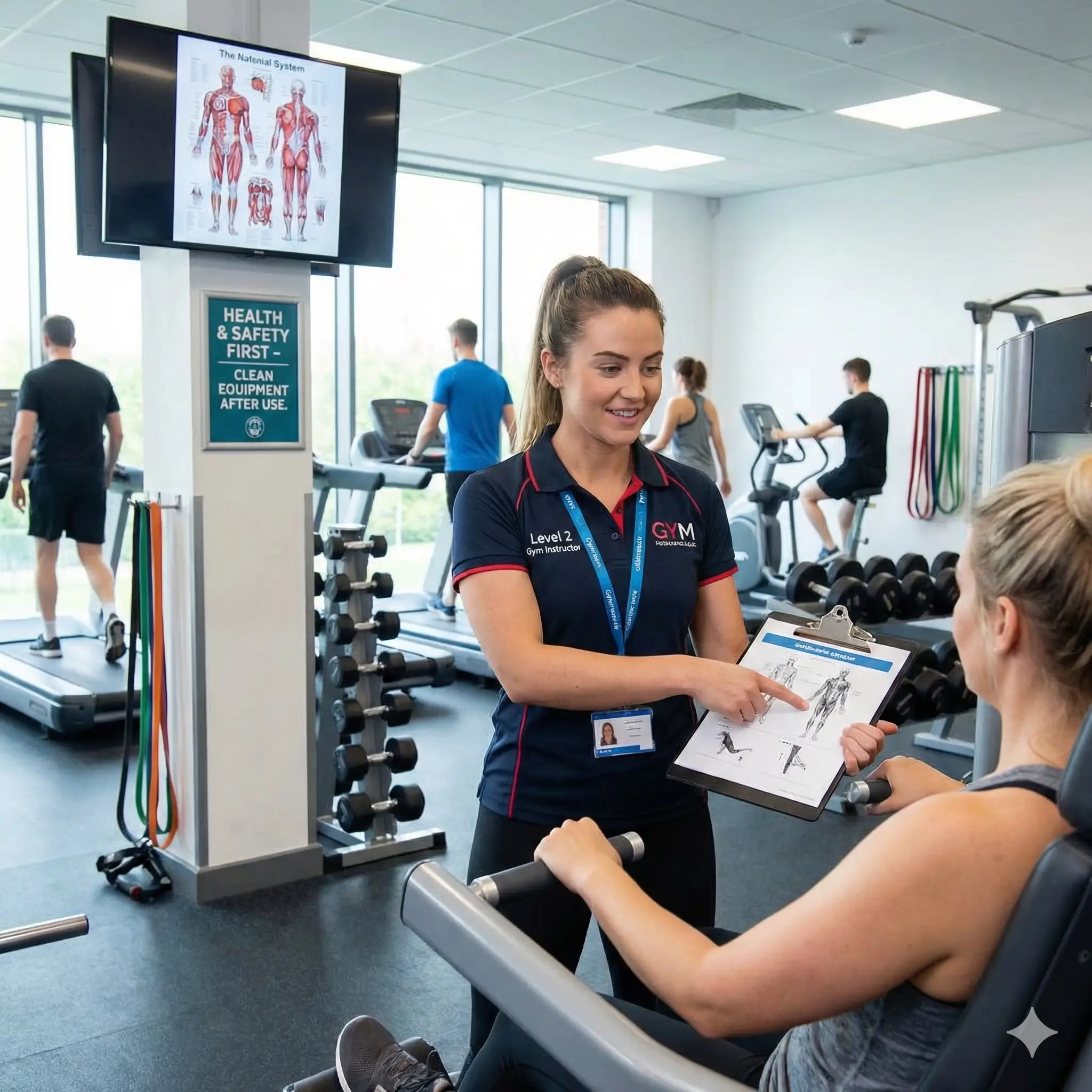
Level 2 Gym Instructor qualification
Personal training
- Individualised programmes
- Behaviour change support
- Independent client management
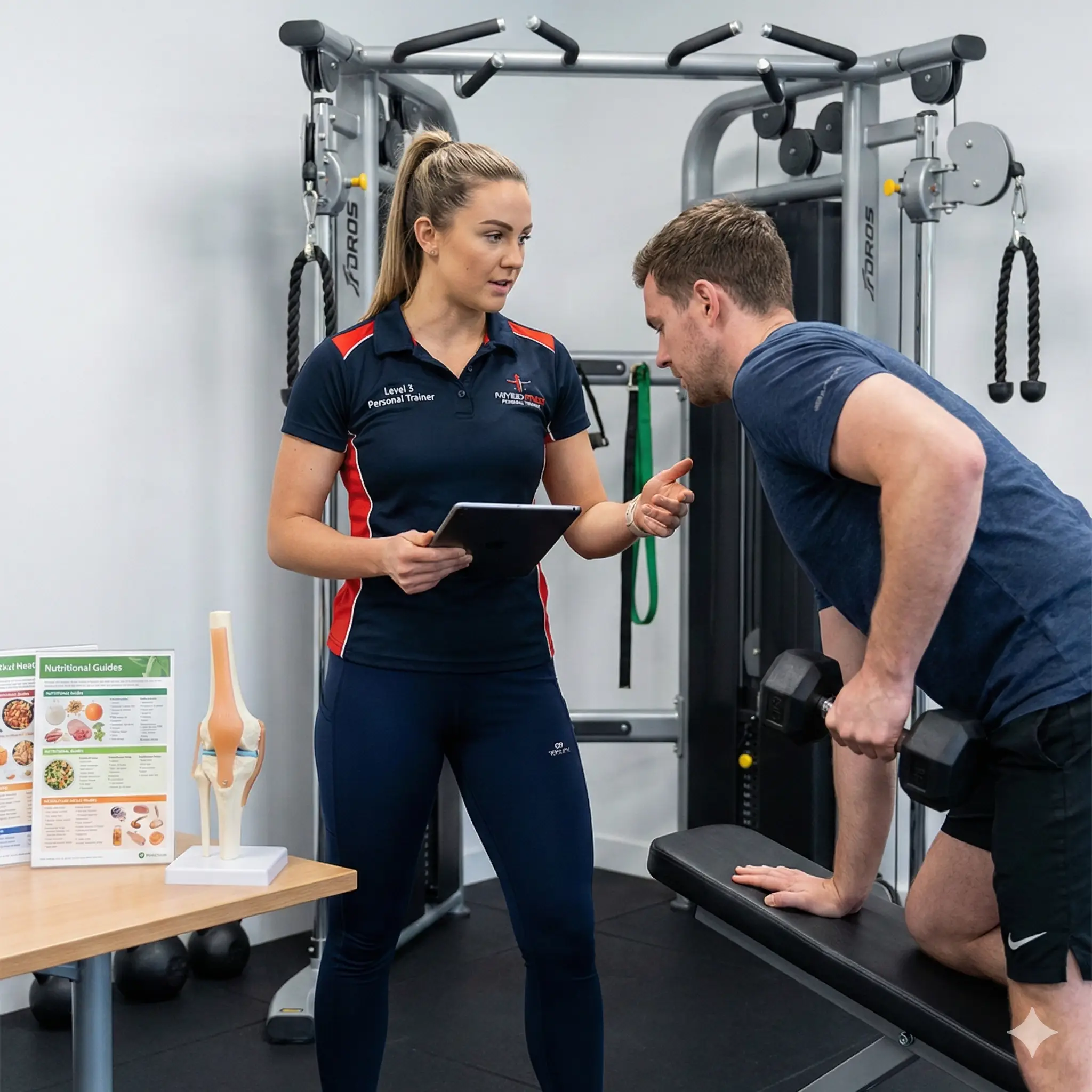
Level 3 Personal Trainer qualification
Specialist qualifications
- Defined populations
- Additional screening and referral awareness
- Increased responsibility
Fitness vs healthcare: where the boundary sits
Fitness professionals do not diagnose, treat, or rehabilitate medical conditions. Even in health-focused roles, exercise remains supportive — not clinical.
This boundary protects:
- Clients from inappropriate intervention
- Professionals from regulatory issues
- Employers and facilities from liability
Referral is not a weakness.
It is a professional strength.
Why working outside scope damages careers
Many early-career professionals believe “helping more” means doing more. In reality, working outside scope:
- Increases injury risk
- Undermines trust
- Creates professional exposure
- Shortens careers
Longevity in fitness comes from judgement, not bravado.
Conclusion
Scope of practice is not a limitation. It is the framework that allows fitness professionals to work confidently, ethically, and sustainably. Understanding scope early is one of the strongest predictors of long-term success in the industry.