F.A.Q’s
DO YOU HAVE F.A.Q’s YOU NEED ANSWERED?
FIND THE MOST COMMON BELOW
FITNESS EDUCATION
INFORMATION TECHNOLOGY
BUSINESS
What makes a fitness course high quality?
A high-quality fitness course is defined by clarity of scope, depth of learning, professional assessment standards, and alignment with real-world practice. Quality courses prioritise competence, ethical boundaries, and long-term career outcomes rather than speed or marketing claims.
Are faster fitness courses worse?
Not necessarily, but speed often comes at the expense of depth. Courses designed primarily for rapid completion may reduce learning time, simplify assessments, or limit applied understanding. This can leave learners underprepared for real client responsibility.
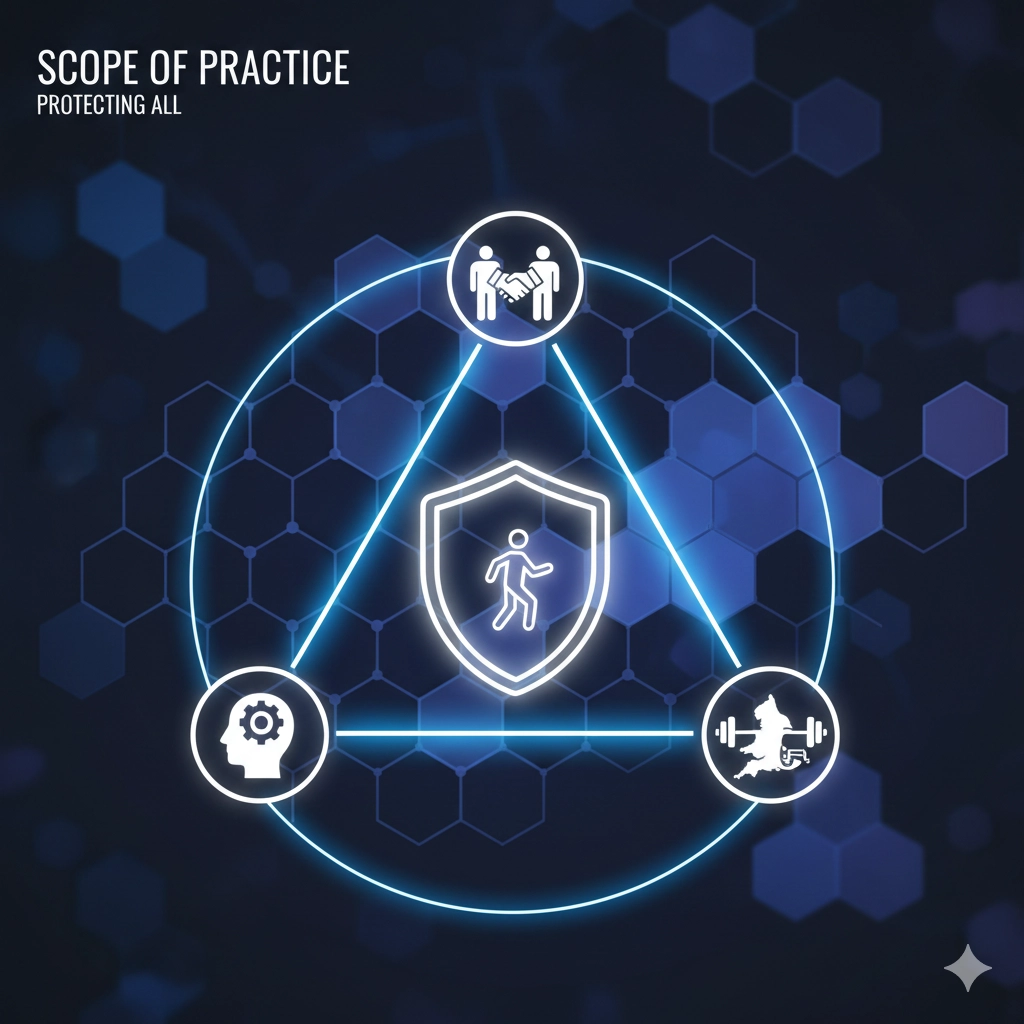
Why does scope of practice matter in fitness education?
Scope of practice defines what a fitness professional is trained and permitted to do. Clear scope protects clients, practitioners, and employers by ensuring exercise delivery remains safe, ethical, and appropriate. Courses that blur scope create professional and legal risk.
Do employers care which fitness course you complete?
Employers care less about branding and more about competence, confidence, and professionalism. Instructors who understand boundaries, communicate well, and work safely are consistently valued across gyms and studios.
Is assessment quality really important?
Yes. Assessment quality confirms whether learners can apply knowledge in practice, not just recall information. Strong assessments test judgement, safety, communication, and professional behaviour, all essential in fitness roles.
How do I choose the right fitness qualification?
The right qualification depends on your career goals, intended client population, and willingness to take responsibility. Understanding progression routes and professional limits is more important than choosing the fastest or cheapest option.
Why do some fitness courses make big income promises?
Income claims are often marketing-led and not reflective of individual circumstances. Sustainable fitness careers depend on skill, professionalism, location, and client retention, not qualifications alone.
Is this approach suitable for beginners?
Yes. Clear structure and expectations are especially important for beginners, as they shape habits, confidence, and professional standards from the start.
What qualifications do I need to work in fitness in the UK
To work professionally in fitness in the UK, most people start with a Level 2 Gym Instructor qualification. This allows you to work on the gym floor and support members safely. To work independently as a Personal Trainer, you also need a Level 3 Personal Trainer qualification.
Can I become a personal trainer without going to university?
Yes. University is not required to become a personal trainer in the UK. Regulated vocational qualifications at Levels 2 and 3 are the recognised route into the fitness industry.
Do I need to be extremely fit before starting a fitness course?
No. You do not need to be an elite athlete. You need a basic level of physical capability, willingness to learn, and the ability to demonstrate and coach exercises safely. Fitness improves throughout training.
Is fitness a realistic career or just a side job?
Fitness can be a long-term, sustainable career when approached professionally. Careers are more successful when individuals understand progression, work within scope, and develop both coaching and professional skills.
How old do I need to be to start a fitness qualification?
Most regulated fitness qualifications require learners to be 16 years or older at the point of certification. However, to get a job as a personal trainer, you will likely find you need to be 18.
Are online fitness qualifications recognised?
Online or blended qualifications can be recognised if they meet regulatory requirements and include appropriate assessment. Recognition depends on quality, assessment standards, and scope, not delivery format alone.
What’s the difference between Level 2 and Level 3 fitness qualifications?
Level 2 focuses on foundational instruction and gym-based support, while Level 3 prepares professionals to work independently with clients, design programmes, and manage greater responsibility.
Can I complete Level 2 and Level 3 together?
Yes. Many learners complete Level 2 and Level 3 as a structured pathway. This approach often provides stronger foundations and smoother progression into personal training.
Do faster fitness courses mean lower quality?
Not always, but speed often reduces depth. Courses designed primarily for rapid completion may limit applied learning and professional readiness. Competence and confidence usually benefit from structured progression.
Can a personal trainer diagnose injuries or medical conditions?
No. Fitness professionals do not diagnose or treat medical conditions. Their role is to support exercise within scope and refer to healthcare professionals when appropriate.
Is “rehab” fitness the same as physiotherapy?
No. Fitness-based rehabilitation focuses on exercise support and movement within scope, not clinical assessment or treatment. Healthcare roles and fitness roles are distinct.
What can I do after qualifying as a personal trainer?
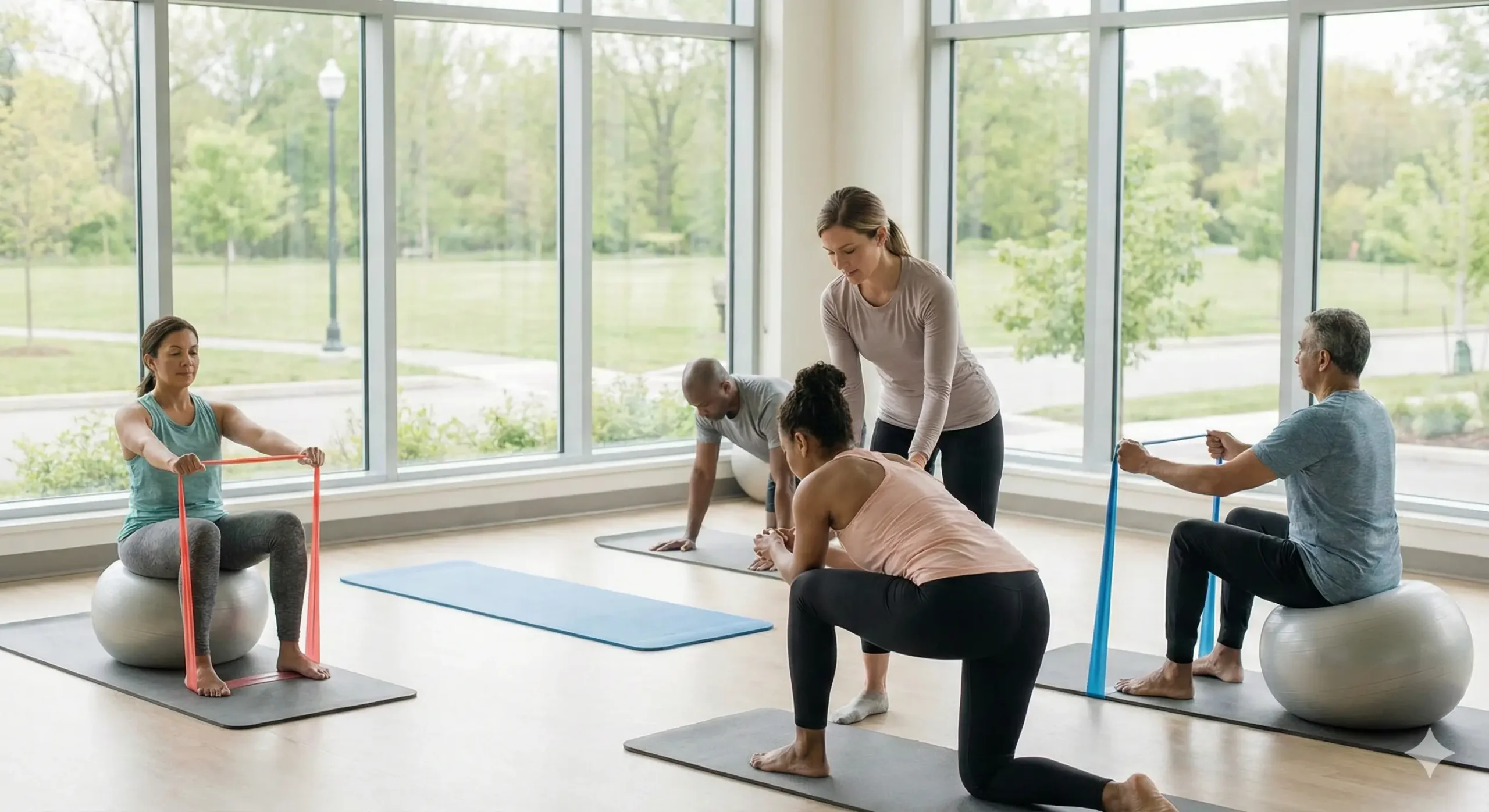
After qualifying, professionals may work in gyms, studios, private practice, community settings, or progress into areas such as group fitness, health-focused fitness, or business mentorship.
Can I specialise after becoming a personal trainer?
Yes. Specialisations such as exercise referral, pre and post natal fitness, sports massage, Pilates, or group exercise can be pursued once core foundations are established.
Is group fitness a separate career path from personal training?
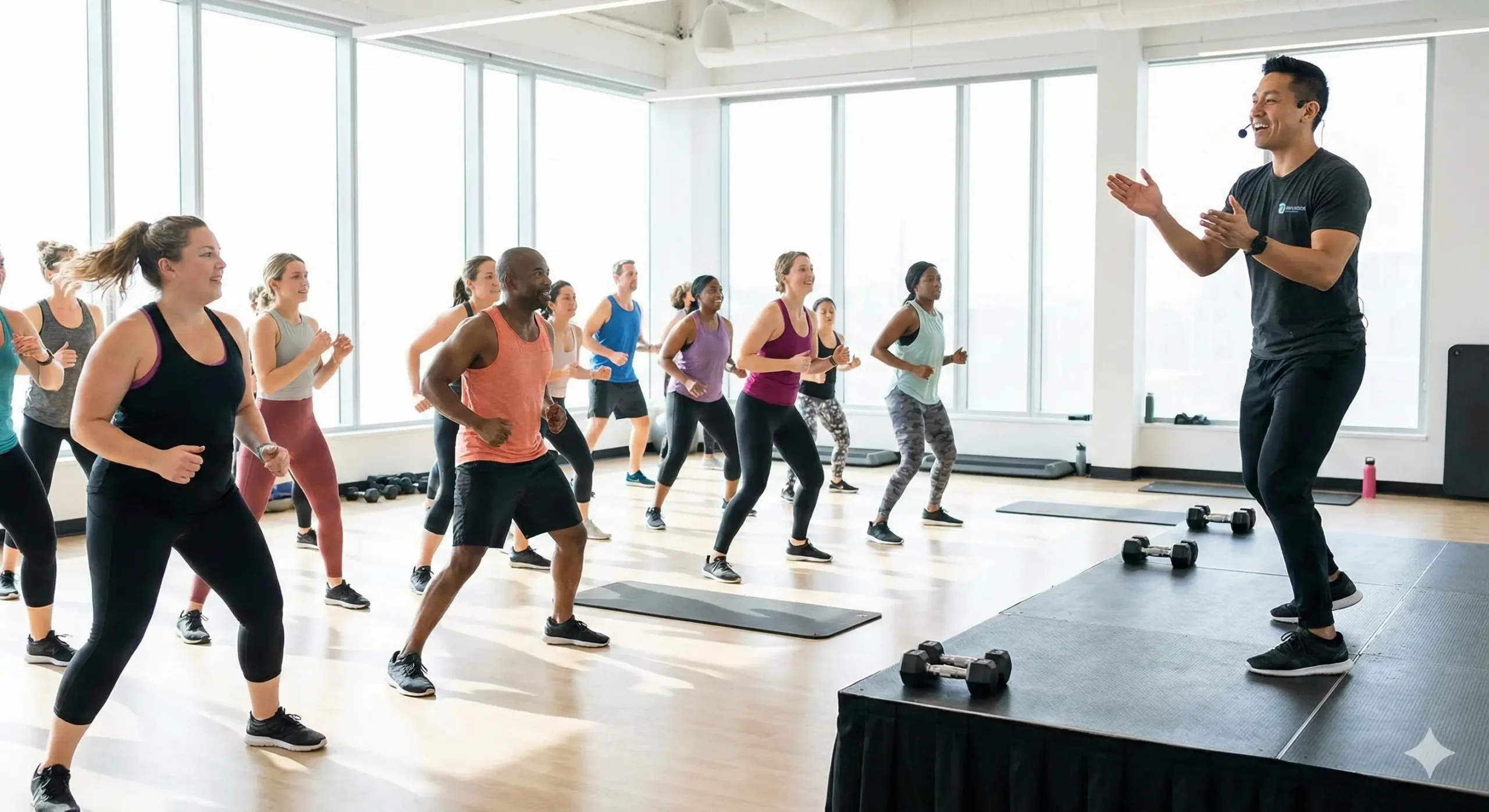
It can be. Some professionals focus primarily on group exercise delivery, while others combine classes with one-to-one coaching. Both routes require strong instructional skills and planning.
Can I work outdoors as a fitness professional?
Yes. Outdoor fitness is common, but it requires additional planning, risk awareness, and professional judgement due to environmental variables and public settings.
Do fitness qualifications teach business skills?
Most fitness qualifications focus on coaching competence rather than business systems. Many professionals benefit from additional business support or mentorship when moving into self-employment.
Is personal training usually self-employed?
Many personal trainers work on a self-employed basis, though employed roles also exist. Self-employment requires understanding tax, insurance, systems, and client management.
Can I earn good money as a personal trainer?
Income varies widely and depends on location, service offering, consistency, and professionalism. Qualifications provide the foundation, but income is built through client relationships and sustainable business practices.
Do fitness courses guarantee employment or income?
No. No legitimate fitness qualification can guarantee income or employment. Long-term success depends on competence, communication, professionalism, and ongoing development.
How do I choose the right fitness qualification?
The right qualification depends on your goals, intended client population, and preferred working environment. Understanding progression and responsibility is more important than choosing the fastest option.
What should I avoid when choosing a fitness course?
Be cautious of courses that:
. Guarantee income
. Focus only on speed
. Minimise assessment importance
. Blur professional scope
Quality education prioritises competence and responsibility.
Is it better to buy individual courses or a package?
Packages can provide clearer progression and better structure when designed properly. The key is ensuring each qualification complements the others without duplicating or overreaching.
Do fitness professionals need continuing professional development (CPD)?
Yes. Ongoing development helps professionals maintain competence, adapt to industry changes, and progress responsibly throughout their career.
Can fitness professionals work alongside healthcare providers?
Yes. Many fitness professionals collaborate with healthcare teams through referral-based or community programmes, provided roles and boundaries are clearly defined.
Is fitness education regulated?
Yes. UK fitness qualifications are regulated and aligned with national standards, ensuring consistency, safety, and professional accountability.
Is fitness the right career for me?
Fitness is well-suited to individuals who value helping others, continuous learning, professional responsibility, and long-term development. Understanding the reality of the role leads to better career decisions.
DO I NEED LOTS OF COMPLICATED SYSTEMS?
No, depending on what you are looking at doing systems can be kept very simple.
Sole trader or limited?
This is something our blog touches on in more detail. Go and have a look there.